

7 Things to Do in Your Garden Before Summer Ends
The garden may be at its fullest, but the growing season is far from over. From planting one more round of vegetables to resisting the urge to clean up too soon, these seven late-summer garden tasks will help you make the most of this season—and prepare for the next.
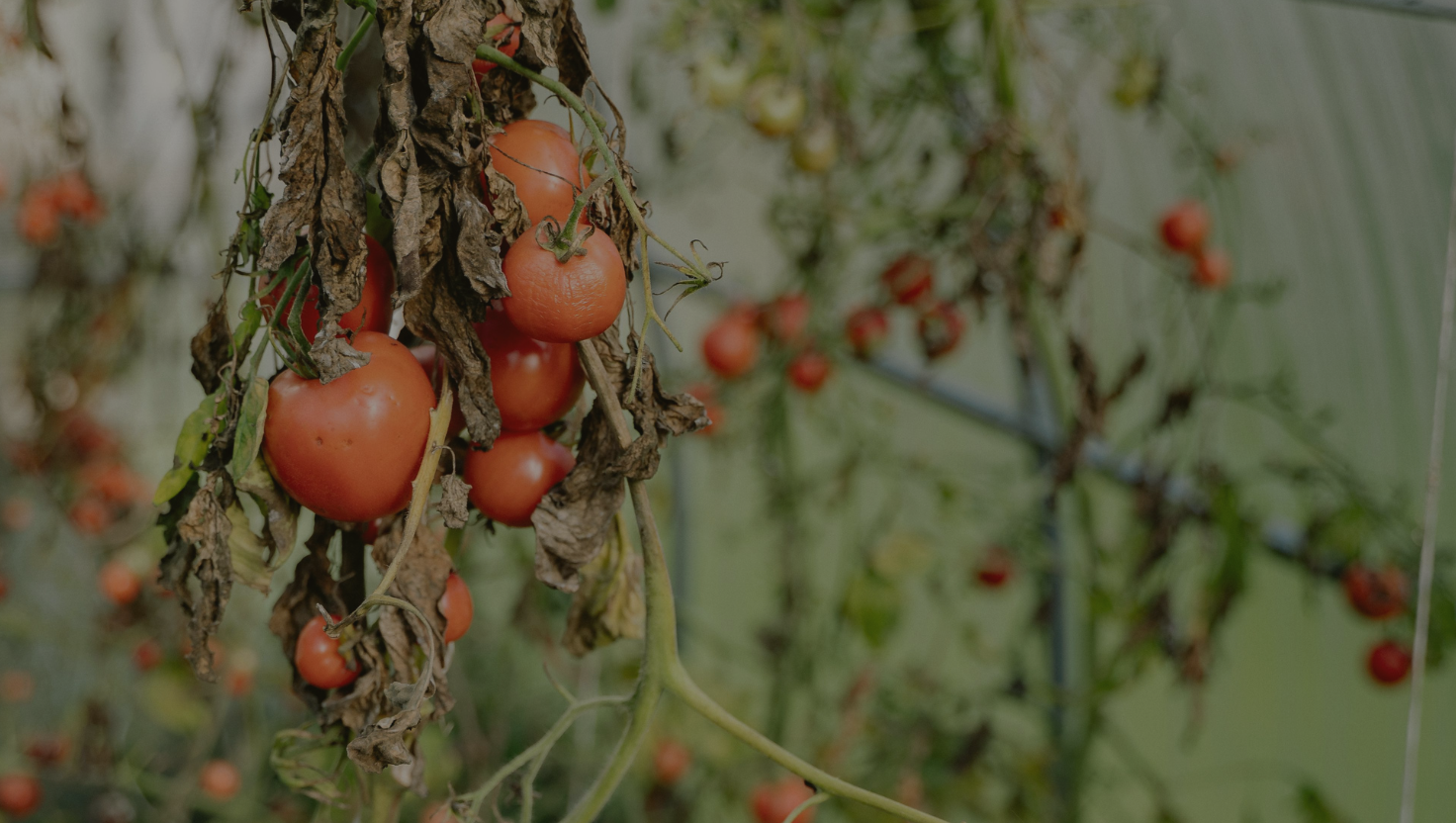
By August, the garden can start to feel a little unruly.
The tomatoes are coming in faster than you can eat them. Flowers that looked pristine in June are spilling into pathways. Weeds somehow seem to appear overnight. And after months of planting, watering, harvesting, and tending, it can be tempting to declare the garden season finished.
But late summer is one of the most important—and often overlooked—times in the garden.
There’s still plenty to harvest and even time to plant. It's also an opportunity to take stock of what worked, make a few thoughtful adjustments, and begin laying the groundwork for next year.
Before you start dreaming of mums and pumpkins, here are seven things worth doing in the garden while summer is still very much here.
1. Plant One More Round
It may feel late to be planting, but your garden doesn't have to stop producing when the tomatoes do.
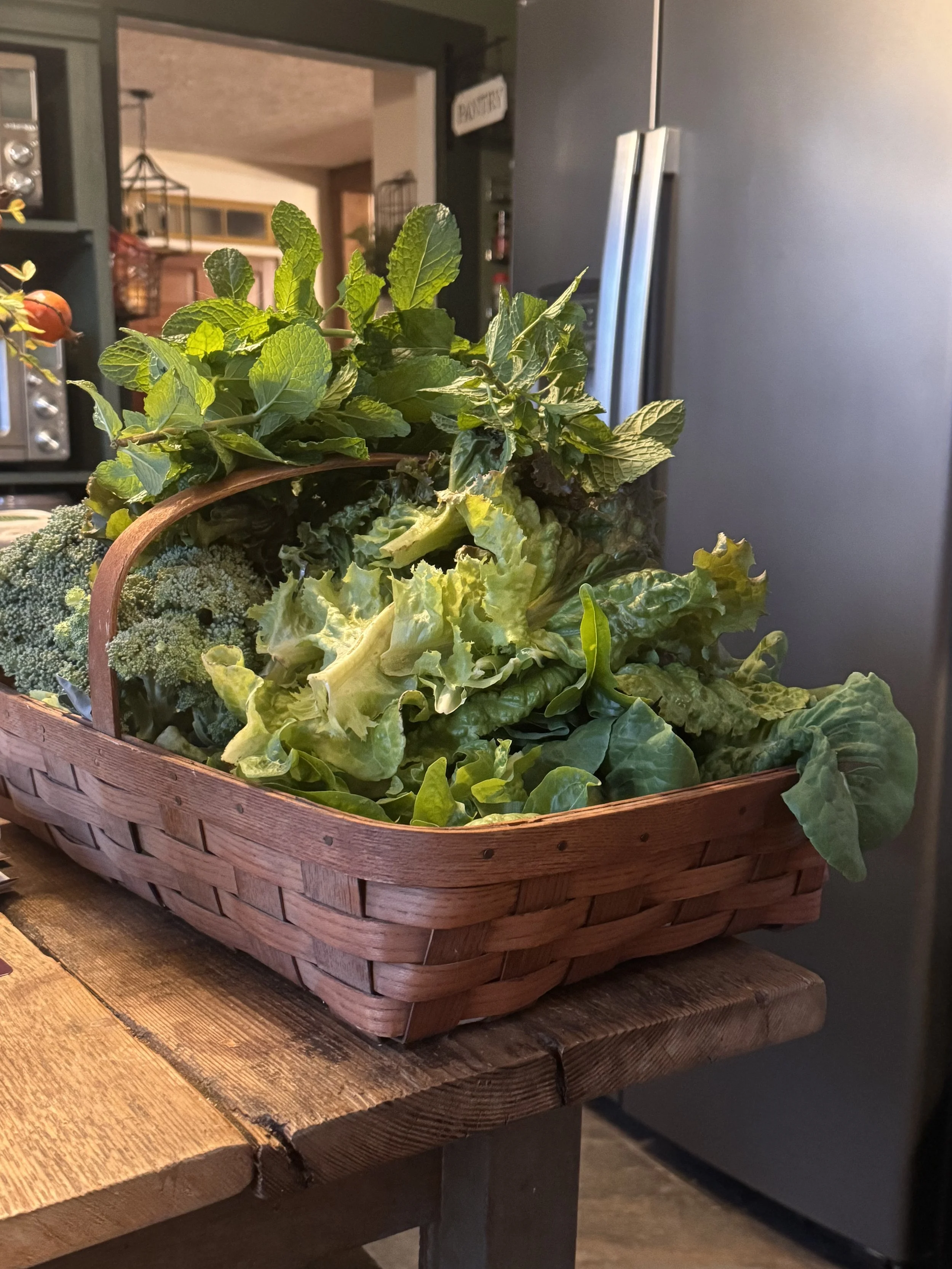
A bountiful cutting of our early cool weather crops. Replant these beauties again in late summer for another flush of veggie staples.
Late summer is an excellent time to sow cool-season crops that can carry the kitchen garden into fall. Depending on your growing zone and expected first frost, consider fast-growing vegetables like:
Lettuce
Arugula
Spinach
Radishes
Kale
Swiss chard
Carrots
Beets
The trick is to work backward from your average first frost date and compare it with the crop's days to maturity. Give yourself a little extra time, too: shortening days and cooler temperatures mean plants generally grow more slowly in fall than they do in spring.
And don't overlook empty spaces left behind by spent summer crops. Pull out something that's finished producing, replenish the soil with compost if needed, and suddenly you've gained room for an entirely new harvest.
Hall & Harvest Tip: Keep row cover handy as temperatures begin to drop. A little protection can extend the growing season surprisingly far into fall.
2. Keep Harvesting—Even When You Can't Possibly Eat Another Zucchini
This is not the time to get lazy about picking. Many summer vegetables—including beans, cucumbers, zucchini, peppers, and tomatoes—benefit from regular harvesting. Leaving mature produce on the plant can signal that its reproductive work is finished and may slow additional production.
Make a habit of walking through the garden every day or two with a basket.
And when the harvest inevitably becomes more than your household can eat, that's when one of our favorite parts of growing food begins: sharing the abundance.
Leave zucchini on a neighbor's porch. Bring tomatoes to work. Freeze herbs. Make sauce. Pickle cucumbers. Learn to can something you've never preserved before.
A garden has a wonderful way of reminding us that abundance was never meant to be perfectly managed.
Sometimes it's meant to be shared.
3. Stop Fighting Every Imperfection
By late summer, your garden probably doesn't look like it did in May.
That's okay.
Leaves have holes. Plants lean. Some flowers have faded. Powdery mildew may have arrived on squash leaves. A few things you planted with great optimism may have done absolutely nothing.
Before reaching for a treatment—or ripping something out—take a moment to determine whether the problem is actually threatening the health of the plant.
A garden is an ecosystem, not a showroom.
Some leaf damage is simply evidence that insects live there. Fading foliage can be part of a plant's natural seasonal cycle. And many cosmetic imperfections don't require intervention at all.
Knowing when not to do something is one of the most valuable gardening skills you can develop.
4. Start Collecting Seeds
Those faded flowers you've been tempted to deadhead?
Some of them may be next year's garden.
Late summer is the perfect time to begin collecting seeds from open-pollinated flowers and vegetables you loved this year.
Good candidates include:
Zinnias
Cosmos
Marigolds
Sunflowers
Calendula
Beans
Peas
Many herbs
Allow seed heads or pods to fully mature and dry on the plant whenever possible. Collect them on a dry day, let them dry thoroughly before storing, and label everything.
You will absolutely believe you'll remember what that tiny envelope of brown seeds contains six months from now.
You will not.
Store properly dried seeds somewhere cool, dark, and dry until you're ready to plant again.
Beyond saving a few dollars, there's something particularly satisfying about growing next year's garden from something this year's garden gave you.
5. Take Pictures—Especially of What Didn't Work
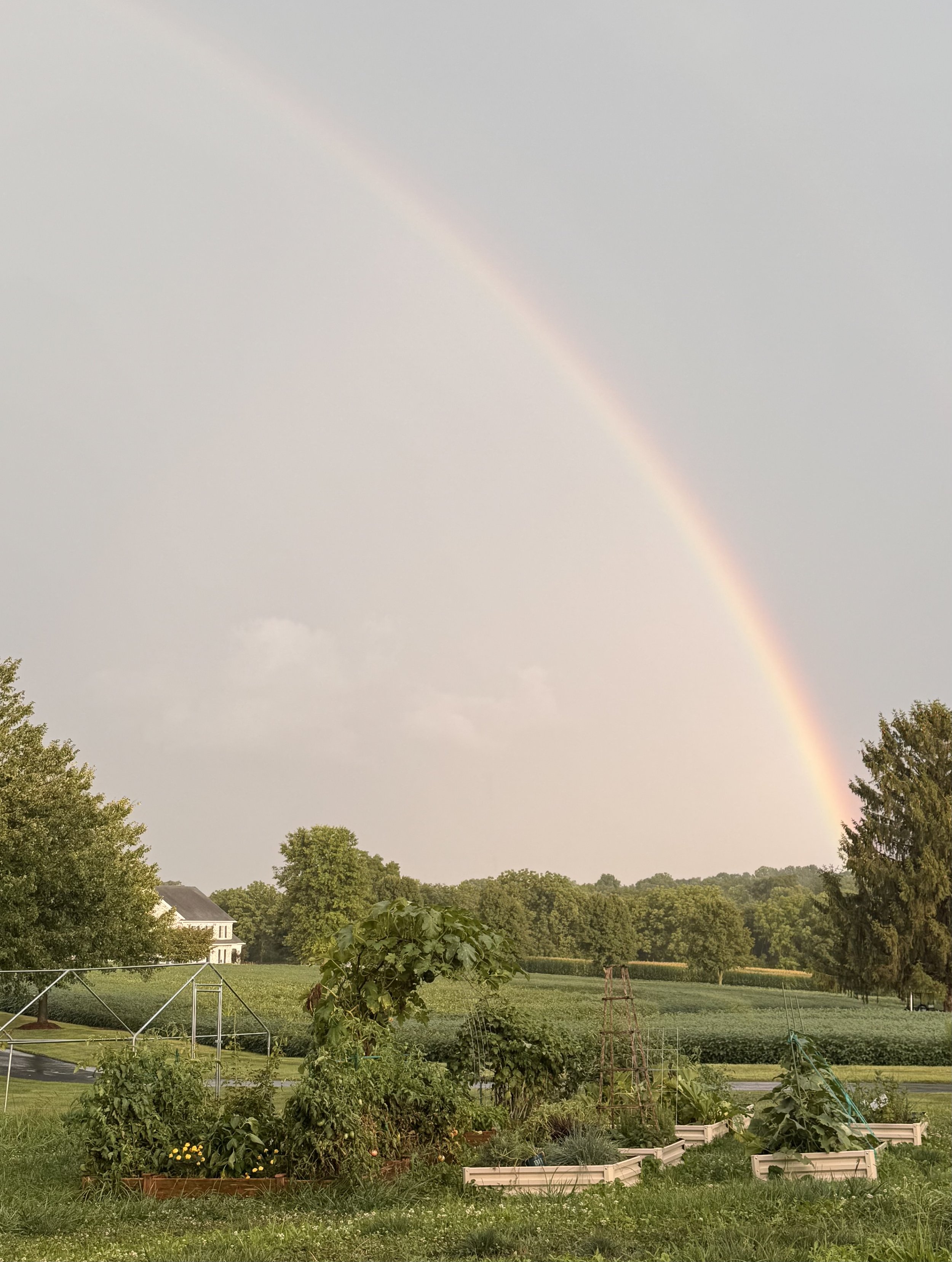
Though she is small, she is mighty. Our 2026 garden proved to be one of the most productive to date. Photos like these will be helpful in reminding us what worked, and what didn’t, for 2027.
This might be the easiest thing on this list, and it's one you'll be grateful for in February.
Photograph your garden now.
Not just the beautiful parts.
Take pictures of:
Beds that feel overcrowded
Empty areas that need another plant
Plants that grew taller than expected
Color combinations you loved
Color combinations you definitely did not
Areas struggling with too much sun or shade
Vegetables that produced exceptionally well
Pathways being swallowed by plants
We vastly overestimate how much we'll remember by next spring.
A quick photo album called “Garden Notes 2026” can become one of your most useful planning tools.
Better yet, add notes about varieties you loved, plants you'd skip next year, and anything you wish you'd done differently.
Gardening gets much easier when you stop expecting yourself to get everything right the first time and start treating each season as information for the next.
6. Don't Clean Up the Garden Too Soon
Our gloriously untouched garden deep in the throws of winter. Don’t work too hard! Raised garden beds make great composting environments; just dump and turn as the weather warms up.
As plants begin fading, the instinct to make everything tidy can be strong.
Resist it—at least somewhat.
Spent flower heads can provide seeds for birds. Hollow and pithy stems can offer overwintering habitat for beneficial insects. Fallen leaves can protect soil and provide habitat while gradually returning organic matter to the garden.
That doesn't mean you should never clean anything up. Diseased plant material, for example, may be better removed rather than left to overwinter depending on the disease and plant involved.
But the goal doesn't need to be a perfectly bare garden.
Consider leaving healthy perennial stems and seed heads standing through winter and doing your major cleanup in spring, once temperatures have warmed enough for overwintering insects to emerge.
A slightly messier winter garden can be a much more useful one.
7. Walk Your Garden Like You're Seeing It for the First Time
Before the season changes, grab a cup of coffee—or something colder—and simply walk around.
Don't weed.
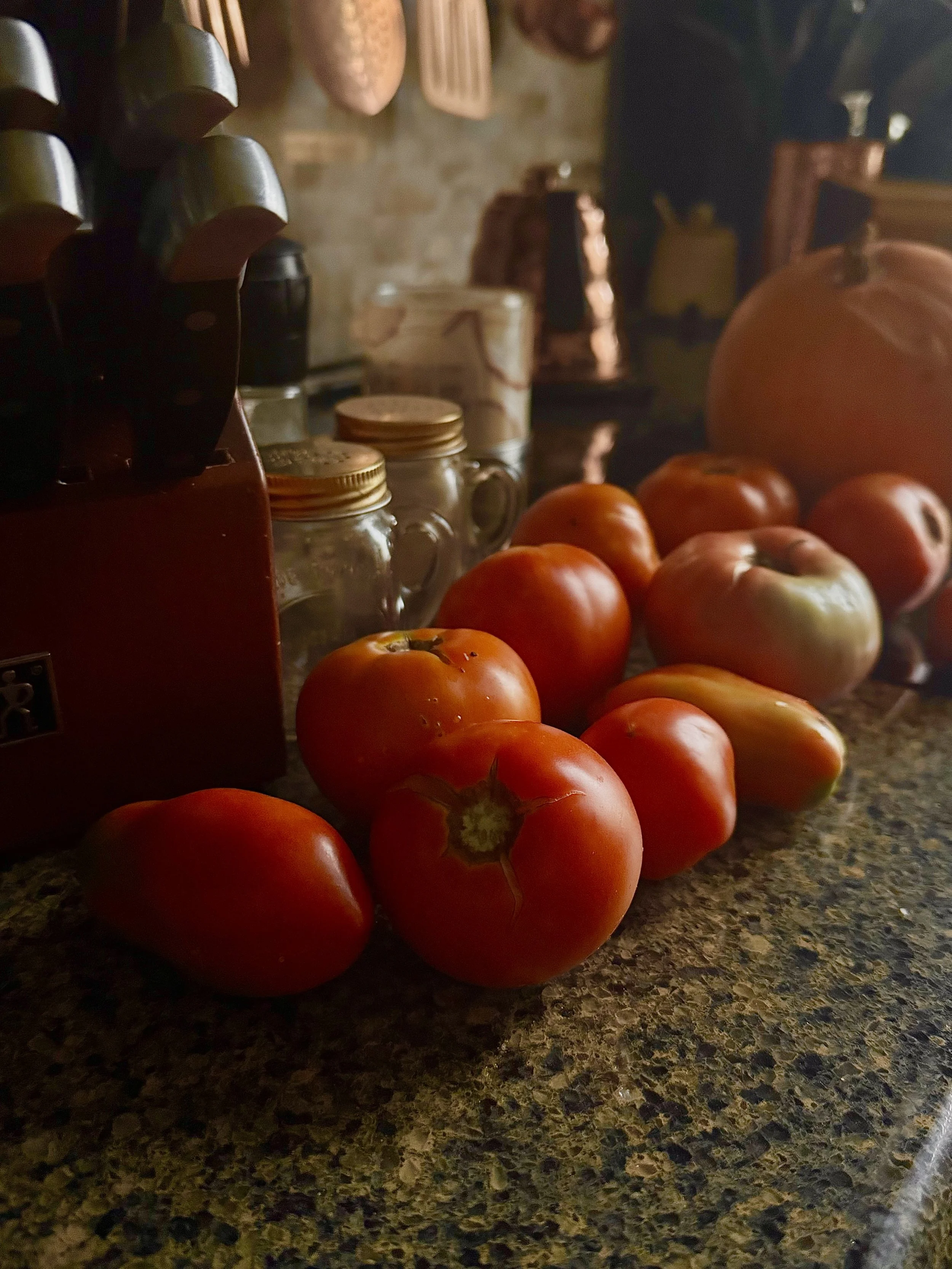
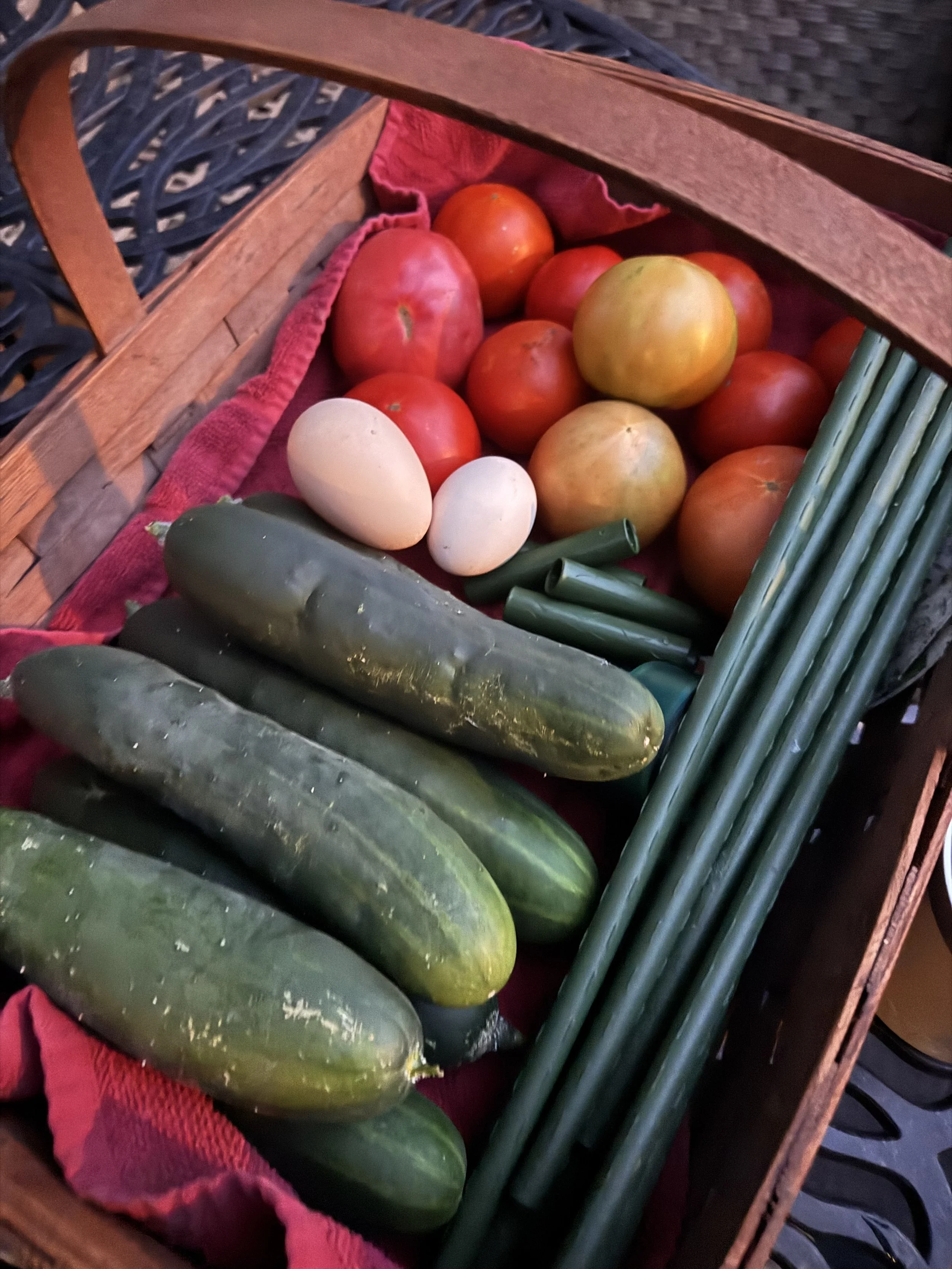
A late summer harvest, waiting to be savored.
Don't prune.
Don't carry tools.
Look.
What thrived?
What struggled?
Where did you actually spend time?
Which plants brought you the most joy?
What did you grow because you thought you should, but barely used?
Where could you use more shade? More privacy? More flowers? More food?
Late summer gives you something spring can't: perspective.
You now know how the sunlight moves across your property. You know which areas stay soggy after a storm and which dry out immediately. You know which plants became enormous and which disappeared behind their neighbors.
Write those observations down.
Because the best garden isn't necessarily the one with the most plants or the prettiest photographs.
It's the one that gets a little better at serving the people—and the life—around it each year.
Before the Season Turns
There will always be another garden task waiting.
Another weed to pull. Another tomato to pick. Another project you meant to finish before June somehow became August.
You don't have to finish everything.
Late summer is as much about enjoying what you've grown as preparing for what's next. Pick the flowers. Eat the tomatoes warm from the vine. Sit outside a little longer. Notice what worked and learn from what didn't.
The garden will change soon enough.
